Tree stumps in the yard can be more than simply an eyesore. They can endanger people, attract pests, and occupy valuable space. Luckily, getting rid of them isn't as difficult as it may appear. Whether you want to improve your landscape or create more usable outside space, this book will give you simple and practical stump removal strategies that everyone can use.
Why Remove Tree Stumps?
Before we get into how to remove stumps in Atlanta, let's discuss why it's a good idea.
Aesthetic Improvement: Tree stumps may make a lovely yard appear unkempt. Removing them instantly improves the appearance of your yard.
Safety Concerns: Stumps can cause tripping risks, particularly for children and dogs. Removing them makes your yard safer for all.
Pest Control: Old stumps can attract pests such as termites, ants, and beetles, which can subsequently spread throughout your yard or even into your home.
Space Utilisation: Removing stumps frees up space in your yard, allowing you to better use it for hobbies, gardening, or installing new amenities like patios and playsets.
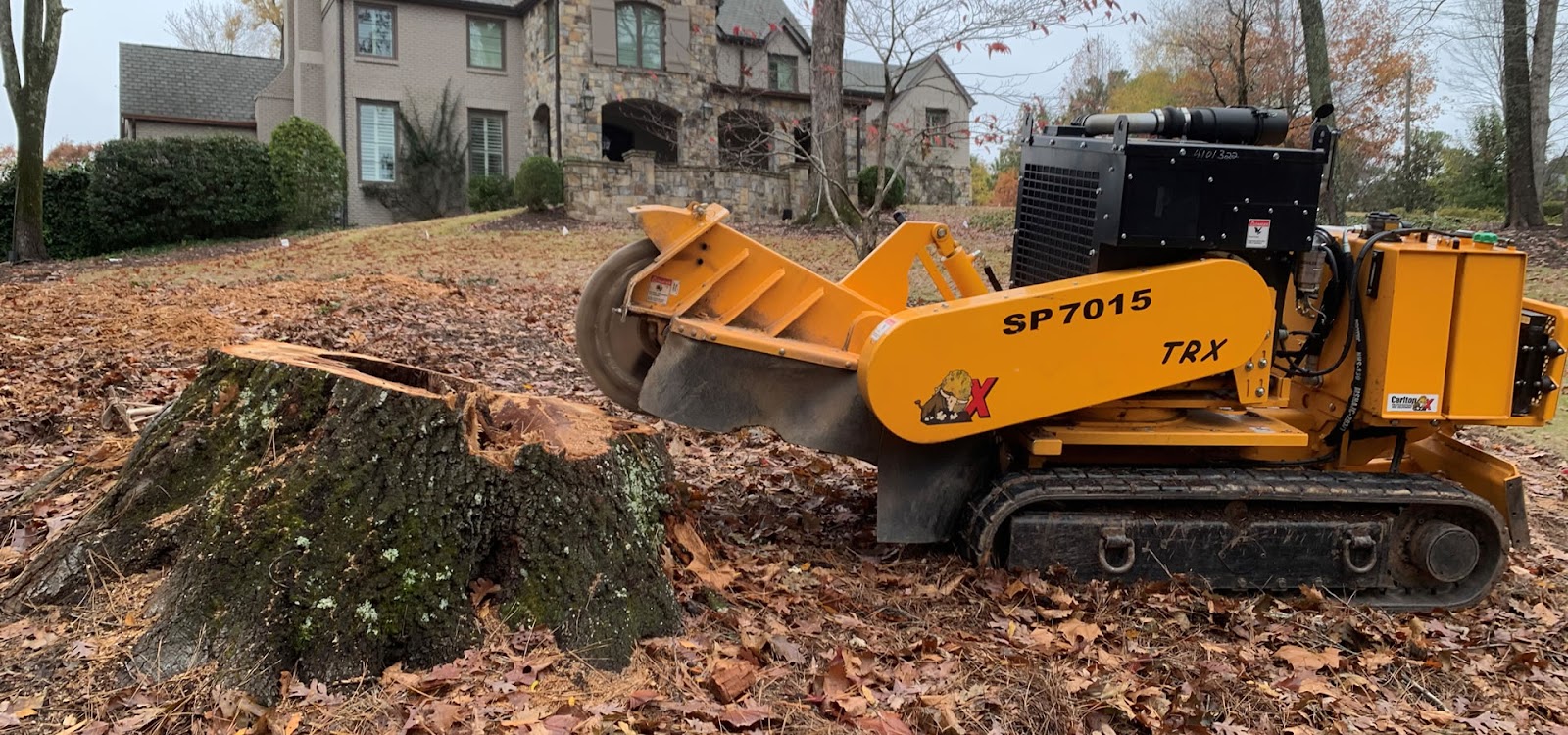
Methods for Stump Removal:
There are various methods for removing stumps, each with its own advantages and disadvantages. Below are some of the more popular and user-friendly methods:
1. Manual removal
Manual removal is a viable alternative if you don't mind some physical labor and the stump isn't too enormous.
Tools needed: shovel, axe, saw, pick mattock, and a root saw.
Steps:
Dig Around the Stump: With a shovel, dig around the stump to uncover the roots. The more roots you expose, the more easily the stump can be removed.
Cut the Roots: Using an axe or root saw, cut through the roots. This can be labor-intensive, but it is effective.
Pull the Stump Out: After you've removed the major roots, use a pick mattock to pull the stump from the earth.
Fill the Hole: After removing the stump, fill the hole with soil and level it.
2. Removal of Chemicals
Chemical removal is an option for people who want a less physically demanding procedure. This procedure uses chemicals to hasten the disintegration of the stump.
Materials required:
Drill with potassium nitrate (a chemical for removing stumps).
Water, Mulch, Tarp
Steps:
Drill Holes: Drill many holes at the top of the stump, about 8-10 inches deep and spaced a few inches apart.
Apply the Chemical: Pour the potassium nitrate into the holes and then add water to help it soak in.
Cover the Stump: To keep moisture in the stump and speed up the decomposition process, cover it with mulch and tarp.
Wait: The stump can take from weeks to months to decay.
Remove the Stump: Once the stump is mushy and spongy, use an axe or shovel to break it into pieces and remove them.
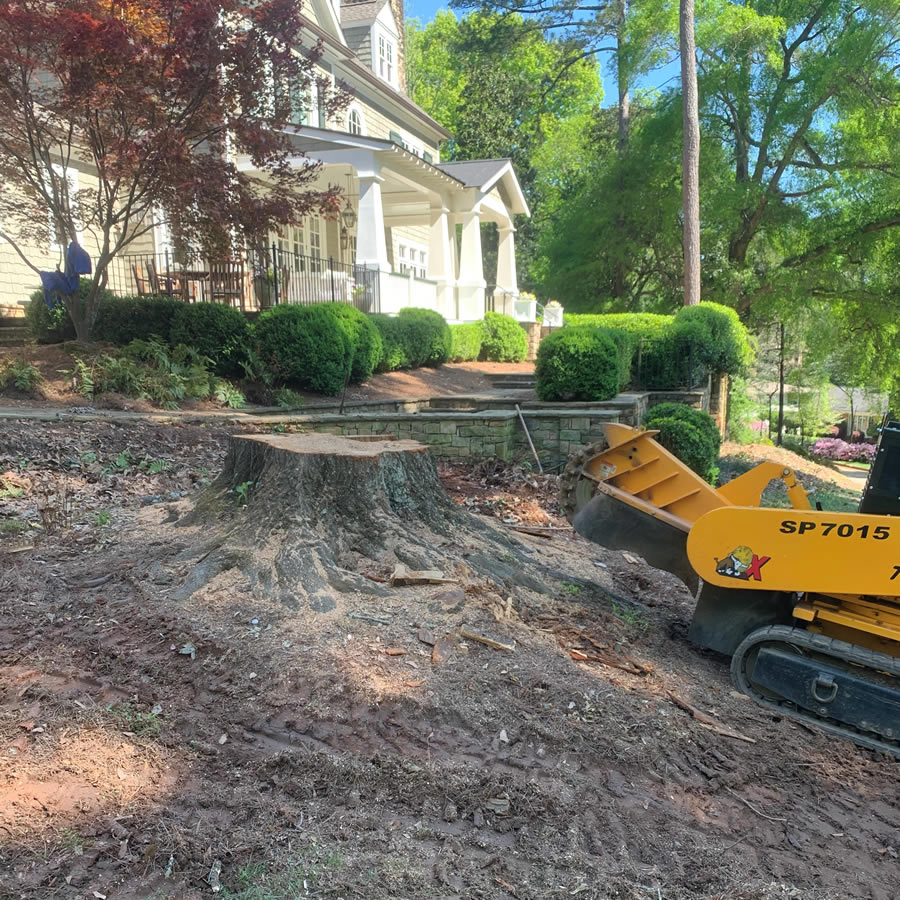
3. Grinding
Stump grinding in Atlanta is a quick and effective process, particularly for bigger stumps. You can rent a stump grinder from a hardware store or hire an expert to complete the task.
Tools needed:
Safety gear (goggles, gloves, and ear protection) is required when using a stump grinder.
Steps:
Prepare the area: Remove any debris or obstructions from surrounding the stump.
Grind the Stump: Following the instructions on the stump grinder, move it back and forth across the stump until it is ground down below the soil level.
Clean-up: Remove the wood chips and fill the hole with dirt.
4. Burning
Burning is another option for stump removal, however it may not be permitted in many regions due to municipal rules. Always consult your local authorities before starting.
Materials needed:
Drill using kerosene or fuel oil.
Supplies needed: matches or lighter, fire extinguisher for safety.
Steps:
Drill Holes: Create holes in the stump to allow fuel to penetrate.
Apply Fuel: Pour kerosene or fuel oil into the holes and allow to soak for a day or two.
Ignite the Stump: Carefully light the stump on fire, making sure you have safety measures in place.
Monitor the Burn: Keep an eye on the stump while it burns and use a fire extinguisher if required to put it out.
Clean-up: After the stump has burnt down, remove the ashes and cover the hole with earth.
Maintaining a Stump-free Yard
After you've removed the stumps, you'll want to keep your yard looking good and prevent future stump problems. Here are a few tips:
Regular inspections: Keep an eye out for new stumps or root sprouts in your yard, especially following tree removal.
Proper Tree Removal: When chopping down a tree, remove the entire stump and root system to avoid regrowth.
Yard Clean-Up: To deter pests and promote healthy grass growth, keep your lawn clean and maintained on a regular basis.
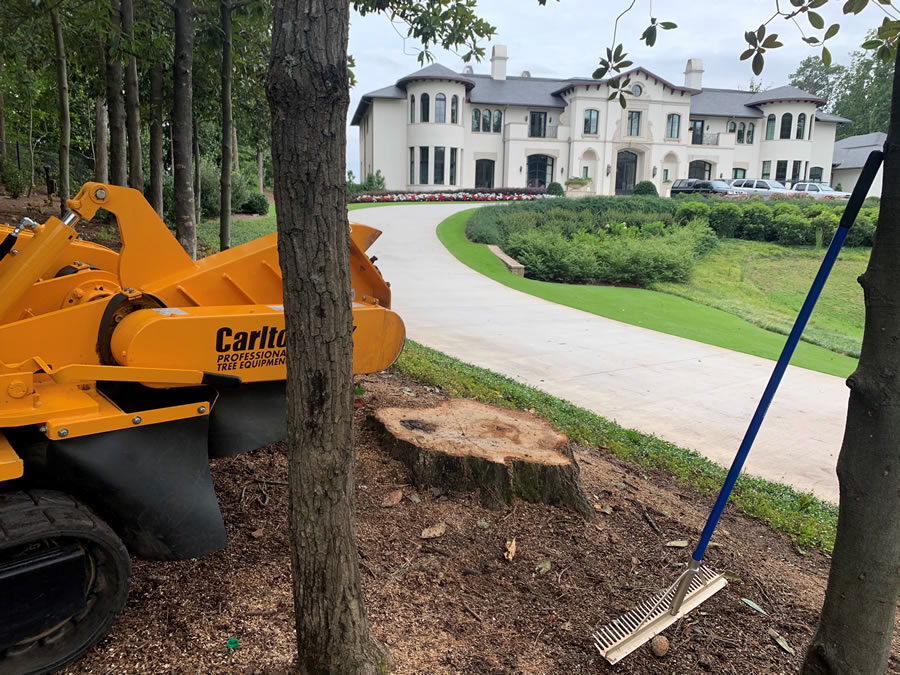
Removing tree stumps doesn’t have to be a daunting task. By choosing the right method and following these easy tips, you can transform your yard into a beautiful, safe, and functional space. Whether you opt for manual removal, chemical decomposition, grinding, or burning, you’ll be well on your way to a stump-free yard. Enjoy the benefits of a cleaner, more attractive landscape and the extra space for your outdoor projects. If you need professional assistance, don't hesitate to contact Southern Star Stump. Happy stump removal!
Comments
Post a Comment